- Get link
- X
- Other Apps
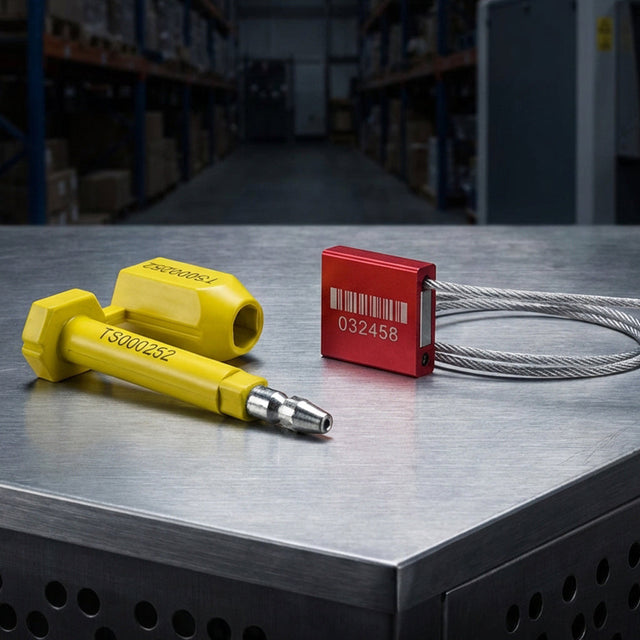
Cable seals are one of the most effective security tools used to protect cargo shipments, containers, trucks, and valuable goods during transportation. While they may seem like a small component in the logistics process, the right security seal can make a significant difference in preventing theft, tampering, and unauthorized access throughout the supply chain.
Why Cargo Security Matters More Than Ever
Global trade depends on the safe and efficient movement of goods across cities, countries, and continents. Every day, countless shipments travel through multiple checkpoints, warehouses, ports, and transportation networks. Without proper security measures, cargo can become vulnerable to theft, contamination, or tampering.
Businesses that transport high-value products need reliable methods to ensure their shipments arrive exactly as they were packed. This is where high-quality security seals play a critical role.
What Are Cable Seals?
Cable seals are tamper-evident security devices designed to secure cargo containers, trailers, tanker trucks, railcars, and storage units. They consist of a strong steel cable that locks into a durable metal or plastic body, creating a secure closure that cannot be removed without specialized cutting tools.
Unlike traditional locks, cable seals provide visible evidence if someone attempts to access a shipment. Once installed, the seal cannot be reopened or reused, making unauthorized entry immediately apparent.
Key Benefits of Using Cable Seals
Enhanced Tamper Protection
One of the biggest advantages of cable seals is their ability to deter and reveal tampering attempts. Any effort to cut, remove, or alter the seal leaves visible evidence, helping businesses identify potential security breaches quickly.
Strong Physical Security
Manufactured from high-strength steel cables, these seals offer excellent resistance against cutting and manipulation. This added durability makes them ideal for protecting valuable cargo during long-distance transportation.
Improved Shipment Tracking
Many cable seals include unique serial numbers, barcodes, or QR codes. These identifiers help organizations track shipments, verify authenticity, and maintain accurate security records throughout the supply chain.
Compliance with Industry Standards
Many industries require strict cargo security procedures. Using certified cable seals can help companies meet transportation, customs, and regulatory requirements while demonstrating a commitment to supply chain security.
Common Applications of Cable Seals
Cable seals are widely used across numerous industries due to their versatility and reliability. Common applications include:
- Shipping containers
- Freight trucks and trailers
- Rail freight transportation
- Tanker vehicles
- Warehouse storage units
- Airline cargo operations
- Customs and border inspections
Their adaptability makes them a preferred security solution for businesses handling sensitive or high-value goods.
Choosing the Right Cable Seal
Selecting the appropriate cable seal depends on several factors, including cargo value, transportation method, regulatory requirements, and desired security level. Businesses should look for seals made from durable materials, featuring unique identification markings and tested resistance against tampering.
Investing in quality security seals not only protects goods but also reduces potential financial losses caused by theft, delays, or damaged customer trust.
Conclusion
In today's fast-moving logistics environment, cargo security cannot be left to chance. Cable seals provide a simple yet highly effective way to safeguard shipments, deter unauthorized access, and maintain supply chain integrity. By choosing the right cable seals, businesses can strengthen cargo protection, improve accountability, and ensure valuable goods reach their destination safely and securely.
Comments
Post a Comment